The modern city is a marvel of human ingenuity, a dense tapestry of steel, glass, and concrete. Yet, beneath the dazzling surface of innovation lies a profound paradox: the very places that drive global progress are often the most disconnected from the fundamental source of life—food. Our cities are, by and large, food deserts, relying on fragile, energy-intensive supply chains that stretch thousands of miles, a system that is economically precarious and environmentally devastating.
The vision of urban farming has long been a romantic ideal: a green oasis amidst the gray. We have seen the rise of community gardens, rooftop plots, and even vertical farms. But these efforts, while noble, have often been hampered by two critical constraints: space and power. How do you scale a farm in a city where every square foot is a premium? And how do you power the complex systems—the sensors, the pumps, the LED lights—that make high-density urban agriculture viable, without simply trading one carbon footprint for another?
This is the chasm that Pisphere is designed to bridge. It is not merely an incremental improvement on existing technology; it is a foundational re-imagining of the relationship between plant life, energy, and the built environment. It is the silent, subterranean engine that promises to turn the concrete jungle into a self-sustaining, electrified ecosystem.
The Seed of the Revolution: Living Energy
To understand Pisphere, one must first discard the conventional dichotomy of “plant” and “power source.” Pisphere introduces the concept of Living Energy through its core innovation: the Plant-Microbial Fuel Cell (P-MFC).
The principle is elegantly simple, a masterclass in bio-mimicry. As a plant performs photosynthesis, it produces sugars. A significant portion of these sugars—up to 70%—is not used for growth but is excreted through the roots into the soil as organic matter. This is the plant’s way of feeding the vast, complex microbial ecosystem around its roots, known as the rhizosphere.
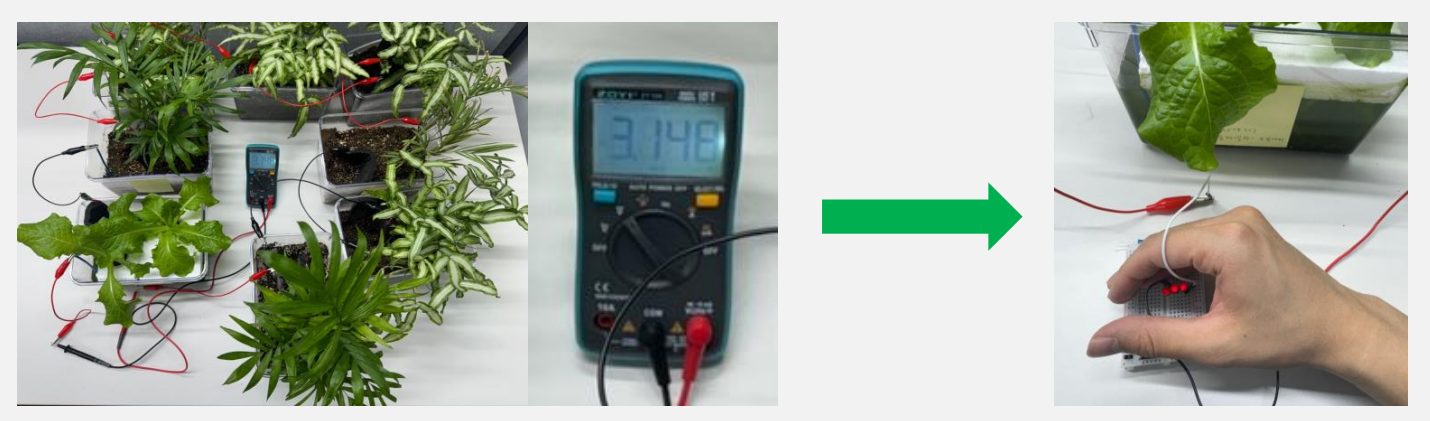
The Pisphere system captures this natural, continuous process. Embedded within the soil, the P-MFC acts as a silent, invisible harvester. Certain soil microorganisms, particularly the remarkable Shewanella oneidensis MR-1, consume this organic matter. In a process known as anaerobic respiration, these microbes “breathe” by transferring electrons to an external acceptor. In the Pisphere setup, that external acceptor is the anode of the fuel cell.
This electron transfer generates a continuous, low-voltage electrical current. The plant continues to grow, the microbes continue to feed, and the system continues to produce power—24 hours a day, 7 days a week. Unlike solar, which is intermittent, or wind, which is location-dependent, Pisphere’s energy generation is tied directly to the life cycle of the plant, a cycle that never truly stops.
This is the zero-waste, carbon-neutral engine of the urban farm of the future. It is a closed-loop system where the farm not only produces food but also powers its own intelligence.
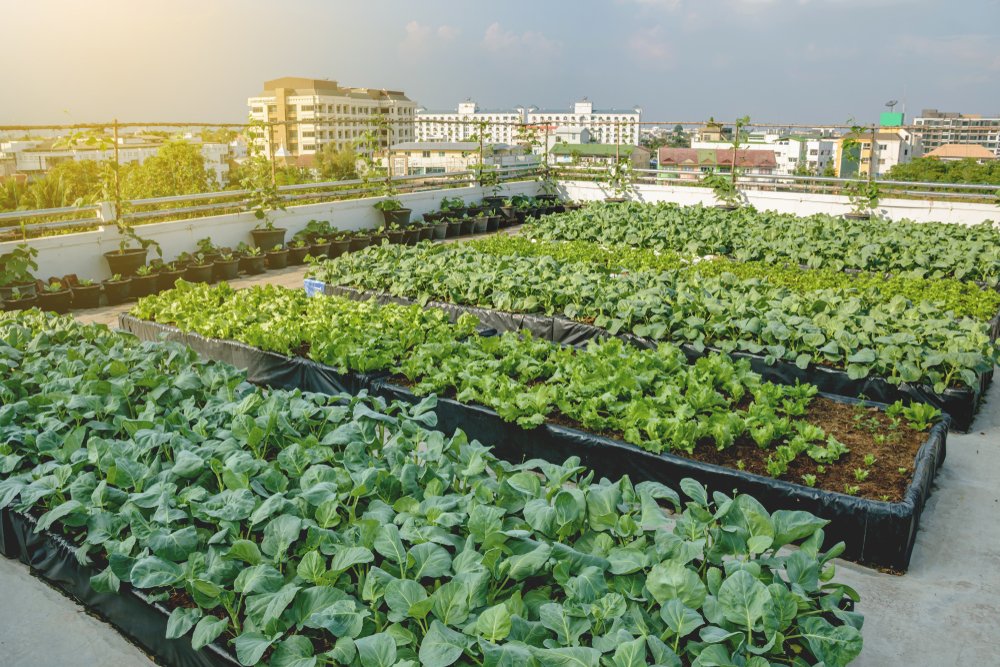
Reclaiming the Urban Canvas: Space and Scale
The most pressing challenge in urban farming is the scarcity of space. Traditional farming demands vast, flat tracts of land, a luxury no modern metropolis can afford. Urban farming, therefore, must be vertical, subterranean, or integrated into existing structures. Pisphere’s design is uniquely suited to this challenge.
The technology is space-efficient by design. The P-MFC units are embedded or buried directly into the soil or substrate of the growing medium. They do not require external infrastructure, large panels, or complex mounting systems. This allows for maximum utilization of every available surface:
- Rooftop Farms: Pisphere units can be integrated into the soil beds of extensive green roofs, turning previously passive, heat-absorbing surfaces into dual-purpose food and power generators.
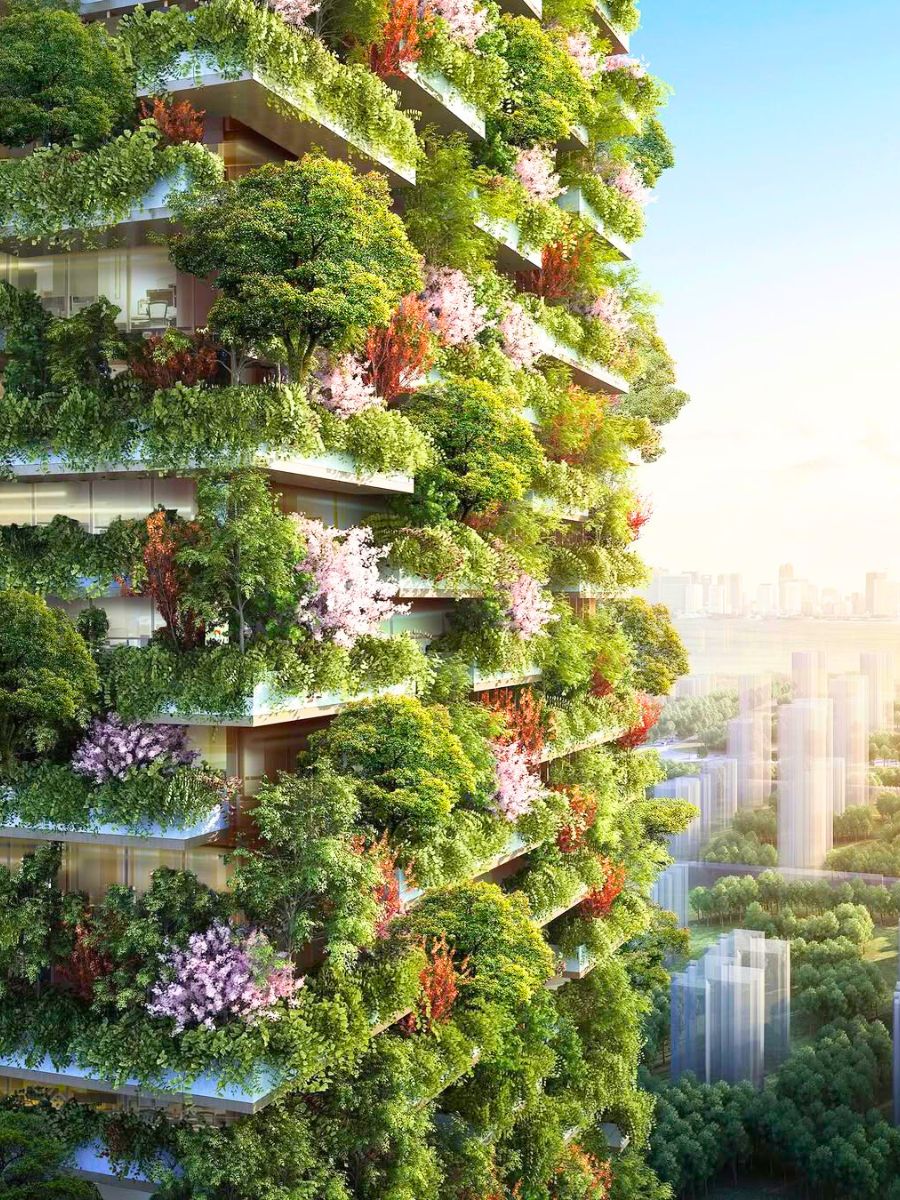
- Vertical Gardens: In multi-story vertical farms, the Pisphere system can power the essential low-power components—the smart sensors, the data loggers, and the micro-controllers—on each tier, reducing the need for complex, high-voltage wiring throughout the structure.
- Public Infrastructure: Imagine city parks, median strips, and even sidewalk planters that are not just aesthetic but are actively generating power for street lighting, Wi-Fi hotspots, or environmental monitoring stations.
The power density is impressive for a bio-system. A mere 10 square meters of planted area equipped with Pisphere technology can generate 250 to 280 kWh annually. While this may not power a skyscraper, it is more than enough to create a decentralized, intelligent grid for the farm itself. This localized power generation eliminates transmission losses and the cost associated with drawing power from the main grid, making the urban farm truly autonomous.
The Intelligence of the Soil: Powering Precision Agriculture
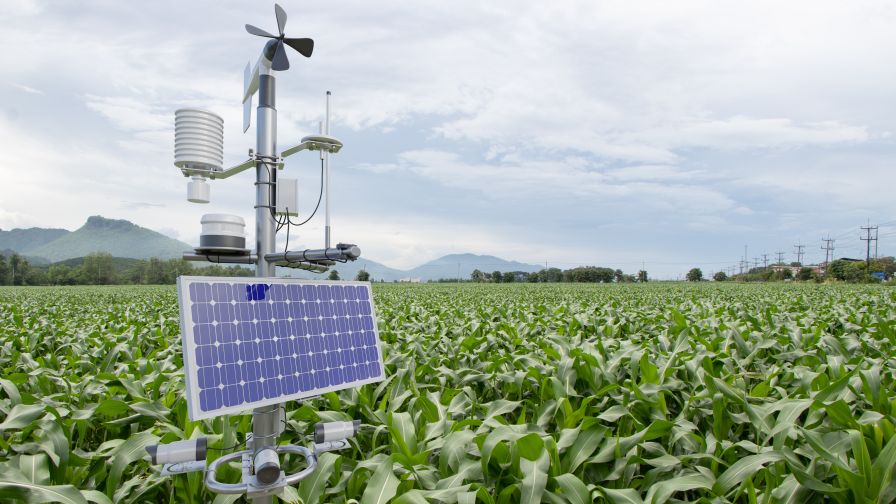
The true revolutionary potential of Pisphere lies not just in generating power, but in electrifying intelligence at the root level. Modern urban farming relies heavily on Precision Agriculture—the use of data to optimize every variable, from nutrient delivery to light cycles. This requires a dense network of sensors.
In a traditional setup, powering these sensors requires batteries that need regular replacement (a maintenance nightmare and an environmental hazard) or complex wiring (expensive and prone to failure). Pisphere eliminates both.
By drawing power directly from the soil it is monitoring, the Pisphere unit becomes a self-powered, perpetual sensor node. It can continuously monitor:
| Parameter | Importance to Urban Farming | Pisphere Advantage |
|---|---|---|
| Soil Moisture | Prevents over/under-watering, conserves water. | Powers the sensor that measures it, eliminating battery changes. |
| pH and EC | Essential for nutrient uptake and plant health. | Provides continuous, real-time data for automated nutrient dosing. |
| Temperature | Critical for root health and microbial activity. | Ensures the P-MFC itself is operating at peak efficiency while providing environmental data. |
| Biomass Health | Indirectly measures plant vitality and growth rate. | The power output itself is a proxy for the health of the rhizosphere. |
This integration of power and data transforms the urban farm from a static collection of plants into a dynamic, responsive cyber-physical system. The farm can literally tell the farmer what it needs, when it needs it, and power the communication of that data back to a central control system.
The Economics of Autonomy: Cost and Maintenance
The long-term viability of any urban farming solution hinges on its economics. While the initial setup cost of any new technology is a factor, the true measure of sustainability is the operational expenditure (OpEx). This is where Pisphere presents a compelling case for the B2B and B2G markets—the developers, city planners, and infrastructure managers.
The technology is designed for low maintenance and extreme longevity. Because the system is bio-based and embedded, there are no moving parts to wear out, no heavy metals to leach, and no batteries to dispose of.
A comparative analysis of annual maintenance costs highlights Pisphere’s disruptive potential:
| Technology | Annual Maintenance Cost (per unit/area) | Key Maintenance Tasks |
|---|---|---|
| Solar PV | $20 – $30 USD | Panel cleaning, inverter checks, wiring integrity. |
| Small Wind Turbine | $40 – $60 USD | Blade inspection, bearing lubrication, structural checks. |
| Pisphere P-MFC | $10 – $15 USD | Periodic system check, ensuring soil health and moisture. |
The Pisphere system offers a significant 30% to 75% reduction in annual maintenance costs compared to conventional renewable energy sources. This low OpEx, combined with the zero-waste, carbon-neutral operation, makes Pisphere an ideal component for ESG (Environmental, Social, and Governance) reporting in new construction and urban development projects. It is a tangible, measurable commitment to sustainability that goes beyond mere greenwashing.
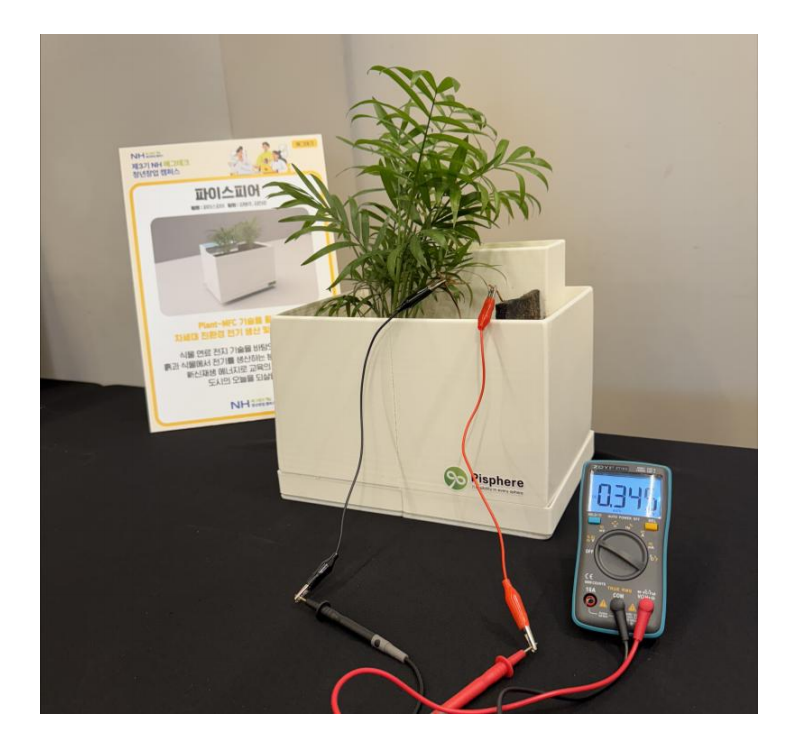
For the B2C market, the low maintenance translates into a simple, plug-and-play experience. Educational kits, for instance, can run indefinitely without the need for external power or battery changes, providing a powerful, hands-on lesson in bio-electricity.
The Future City: A Symbiotic Infrastructure
The urban farming revolution is not just about growing tomatoes on a roof; it is about fundamentally changing the infrastructure of the city itself. Pisphere allows us to envision a future where the city is not a consumer of resources, but a producer—of food, of energy, and of clean air.
Consider the implications for public works. City governments (B2G) are constantly seeking sustainable solutions for low-power applications. Pisphere offers a way to decentralize the power grid and embed intelligence into the very fabric of the landscape.
| Application Scenario | Traditional Power Source | Pisphere Integration |
|---|---|---|
| Smart Street Signs | Grid power or small solar panel (intermittent). | Powered by the planter box at the base of the sign. |
| Environmental Monitoring | Battery packs (high maintenance, toxic waste). | Self-powered by the surrounding parkland or green space. |
| Remote Irrigation Valves | Grid power or manual operation. | Powered by the soil, enabling autonomous, data-driven water management. |
| Educational Displays | Wall outlet or disposable batteries. | Powered by the plant itself, demonstrating bio-electricity in real-time. |
This symbiotic infrastructure—where the city’s green spaces are actively contributing to its energy needs—is the ultimate expression of the Eco-Park Smart City concept. It moves beyond the passive beauty of nature and integrates it as an active, functional component of the urban machine.
The technology, born from the research labs of Seoul National University, is a testament to the power of interdisciplinary science. It merges microbiology, electrical engineering, and agricultural science into a single, cohesive solution.
The Call to Action: Cultivating the Future
The challenge of feeding a rapidly urbanizing global population is one of the defining issues of our time. We cannot solve 21st-century problems with 20th-century solutions. The linear, centralized model of food and energy production is reaching its breaking point.
The Pisphere technology offers a path toward a circular, decentralized, and resilient urban ecosystem. It is a call to action for city planners, architects, developers, and entrepreneurs to look at the green spaces in our cities not as mere decoration, but as untapped power plants.
The urban farming revolution, powered by Pisphere, is not a distant dream. It is happening now, quietly, beneath the surface. It is the sound of a city breathing, growing, and powering itself, one electron at a time. It is the concrete jungle, finally, beginning to bloom.
The transition will be driven by those who recognize that the most powerful technologies are often the ones that work in harmony with nature, not against it. Pisphere is the ultimate tool for this harmony, providing the energy to make our cities smarter, greener, and infinitely more sustainable. It is the future of urban life, rooted in the soil, and electrified by the very plants we grow.
The potential for this technology to transform global food security and urban resilience is immense. Imagine a world where every park, every rooftop, and every community garden is a node in a vast, living power grid. This is the world Pisphere is building. It is a world where the energy crisis and the food crisis are solved simultaneously, not through massive, centralized projects, but through the quiet, continuous work of a microbe and a plant, right outside your window.
This shift requires a change in mindset, moving from a view of nature as something to be managed and contained, to something to be partnered with and empowered. Pisphere provides the mechanism for this partnership, turning the waste products of life into the energy of the future. It is the ultimate expression of sustainability: a system that is self-sustaining, self-regulating, and endlessly renewable. The revolution is here, and it is rooted in the soil.

The journey from a research concept to a scalable, deployable technology is a long one, but Pisphere has demonstrated its readiness for the next phase of urban integration. The low maintenance, high efficiency, and environmental benefits make it a clear winner for the next generation of smart city development. The time for passive green spaces is over. The era of the Active, Electrified Urban Farm has begun.